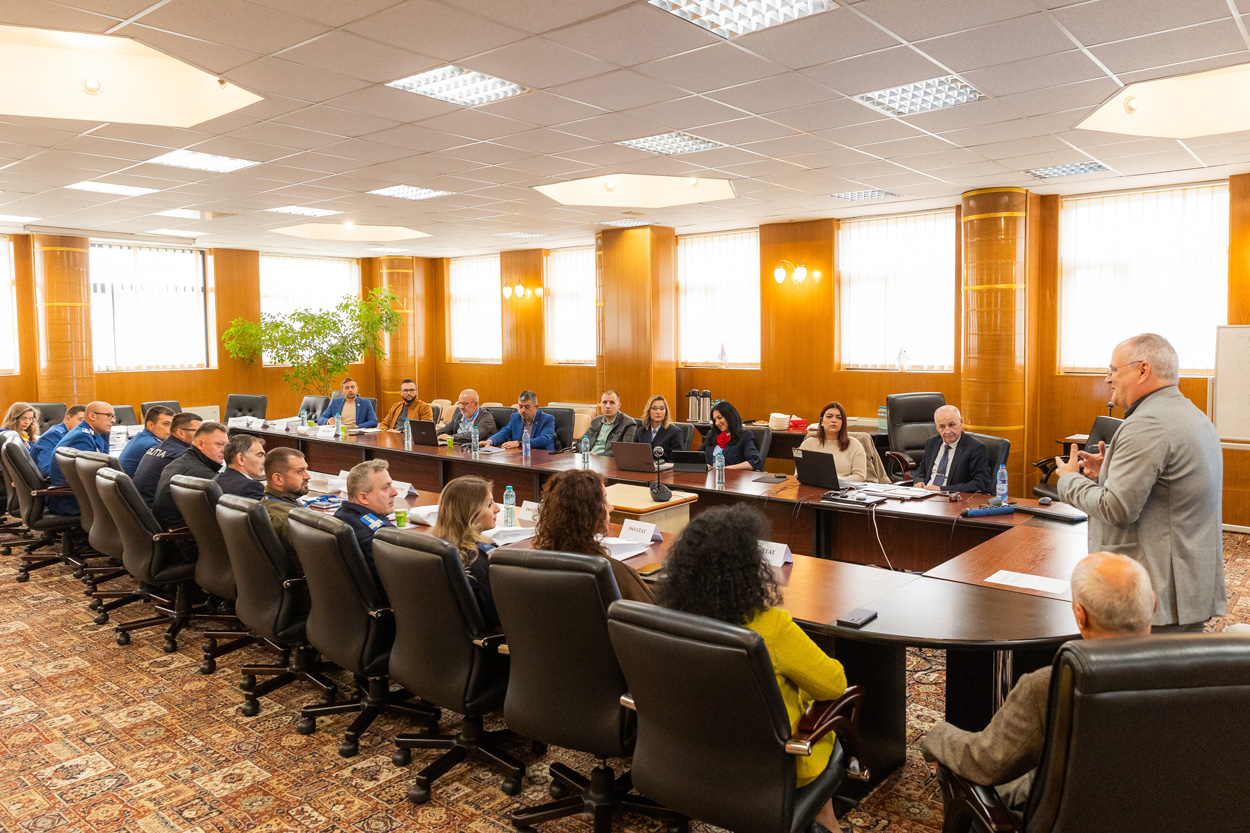
Innovation and Resilience in Contemporary Research: The “Danubius Vitae 2026” Conference

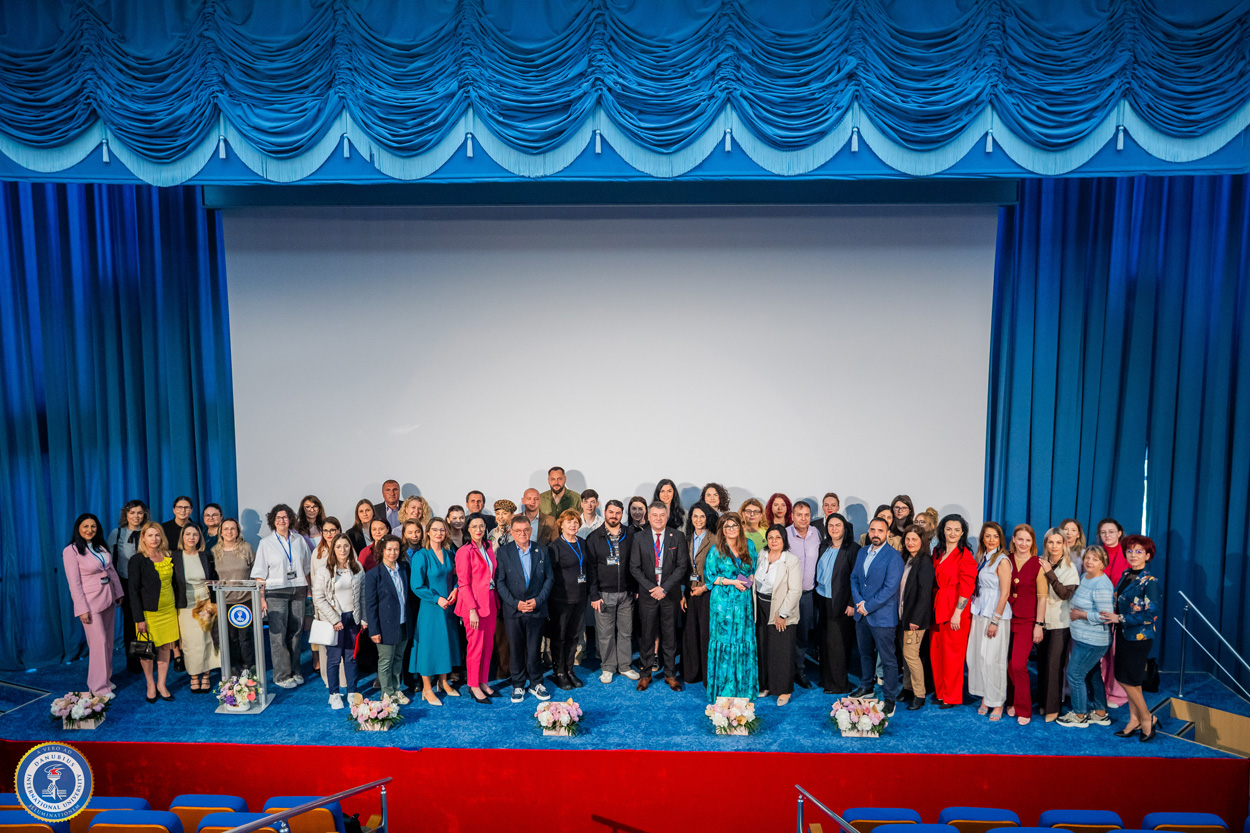
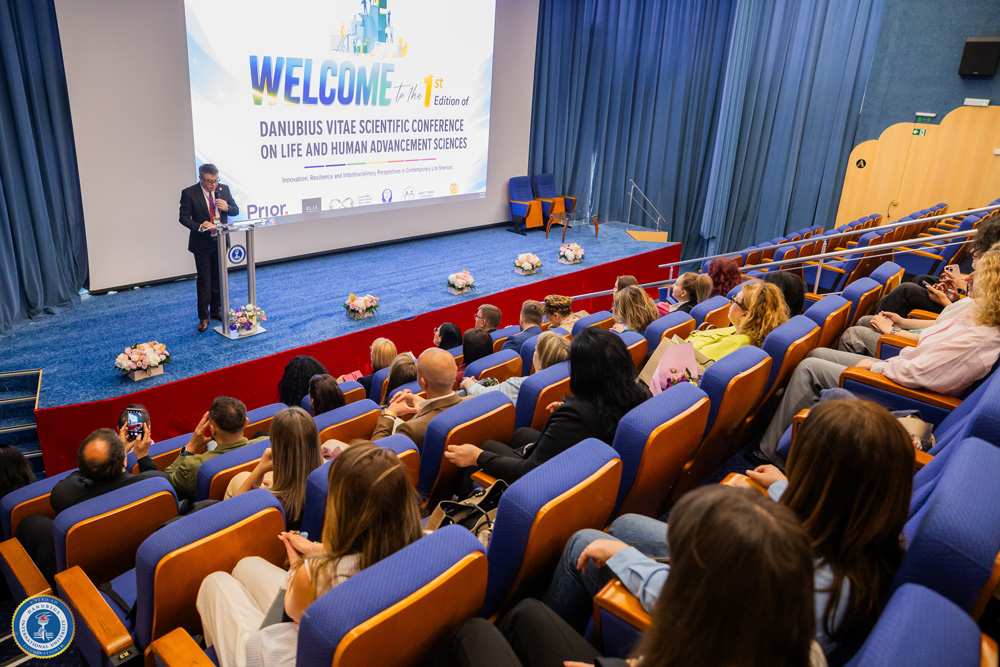
The scientific conference “Danubius Vitae – Scientific Conference on Life and Human Development Sciences”, held on May 22, 2026, at Danubius International University, represented a significant academic initiative dedicated to contemporary research in the fields of life sciences and human development. Organized under the theme “Innovation, Resilience and Interdisciplinary Perspectives in Contemporary Life Sciences”, the event fostered interdisciplinary dialogue among students, academics, and researchers, highlighting the relevance of innovative approaches and integrated perspectives on current psychological, social, and educational phenomena. Participants enrolled in undergraduate and professional conversion programs were provided with the opportunity to present and capitalize on their research outcomes within a formal academic framework, under the coordination of the Moderators Committee – Psychology and Social Work.


In this context, the event contributed to strengthening the exchange of ideas and best practices among participants, while supporting the development of an academic perspective oriented toward adaptability and innovation in research dedicated to contemporary human development.


Claudia Stefania Marghiru


Danubius International University – Online Examination Partner Centre for LanguageCert International Language Certifications

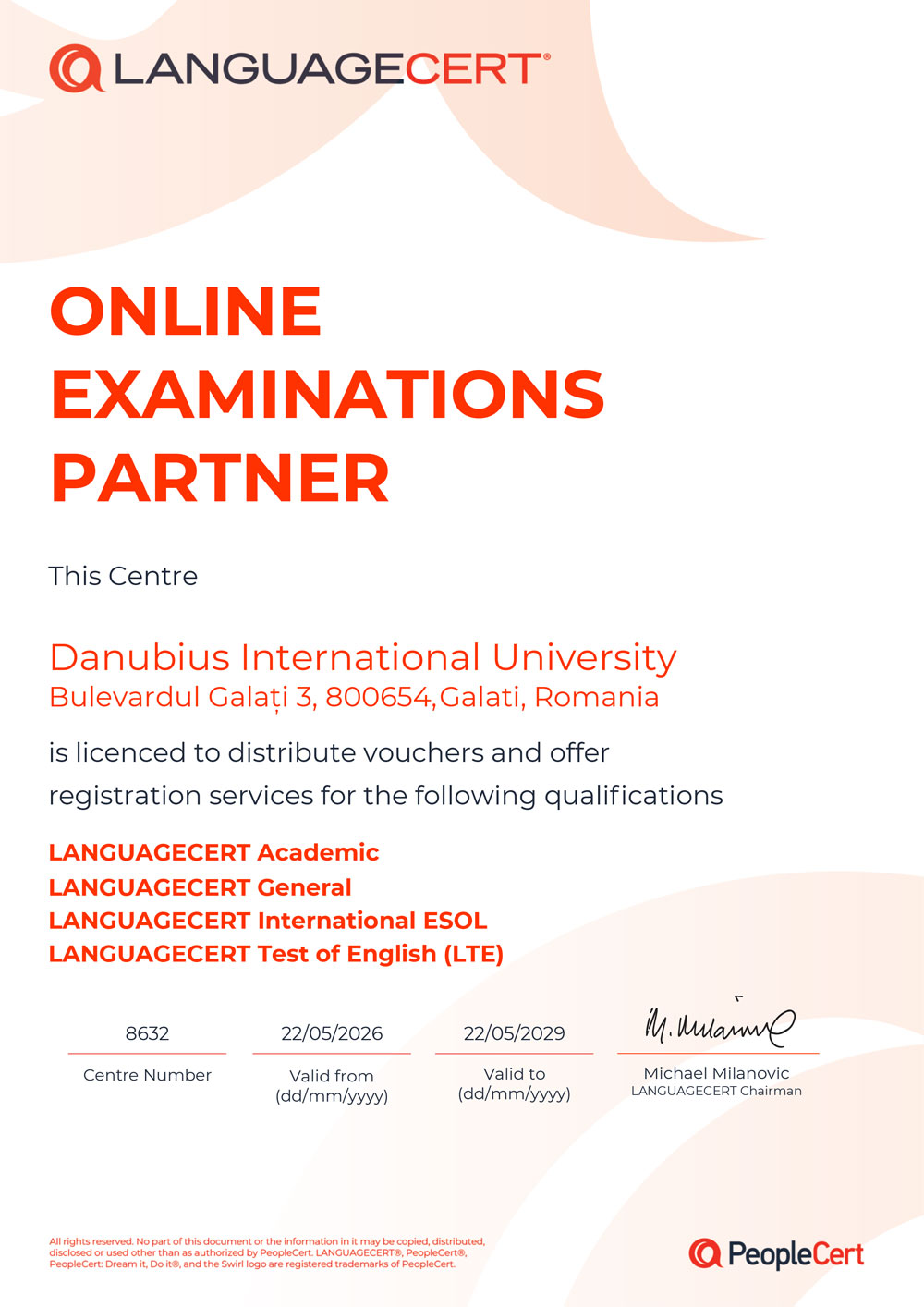
Danubius International University has obtained official recognition as an Online Examination Partner Centre for LanguageCert international certifications, thereby strengthening its position among higher education institutions committed to internationalization and academic excellence. This certification confirms the university’s compliance with international standards regarding the organization and administration of digital language proficiency examinations, providing students and learners with access to assessments recognized at both European and global levels.


The status of Online Examination Partner Centre for LanguageCert further highlights the university’s ongoing commitment to the modernization of educational infrastructure and its adaptation to the evolving requirements of digital assessment processes. The implementation of this system facilitates access to standardized language certifications acknowledged by academic institutions and employers worldwide, thereby enhancing educational and professional opportunities for students and graduates alike.


Claudia Stefania Marghiru


Authentic Academic Experiences: Danubius Students Visit the Romanian Radio Broadcasting Corporation and the Romanian Academy

A day dedicated to knowledge, dialogue, and authentic experiences for the students and academic staff of the Faculty of Law and International Governance within Danubius International University

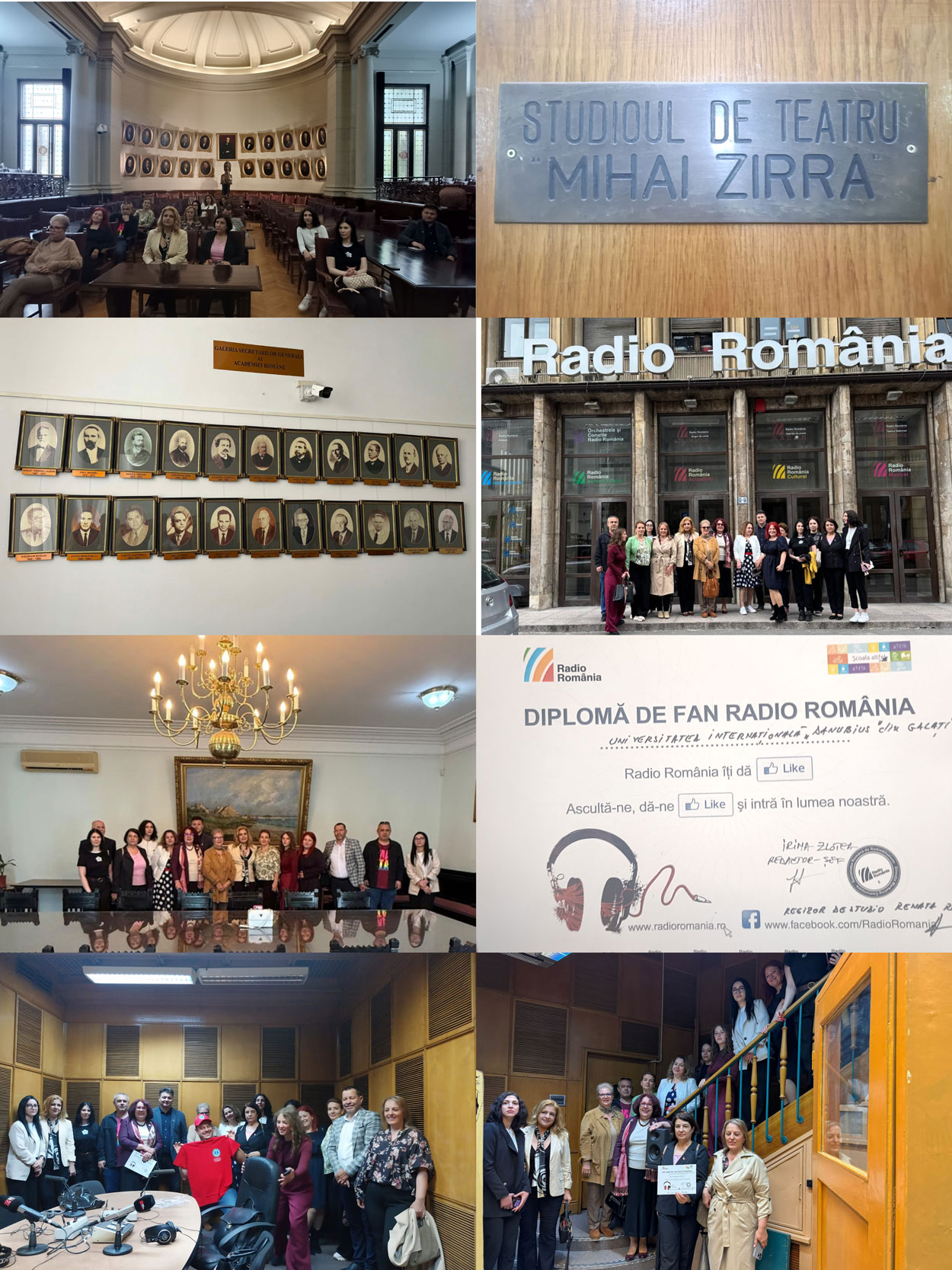
The programme began with a visit to Radio România, where participants had the opportunity to discover the contemporary role of public media in the democratic sphere, institutional communication, and the importance of responsible information in contemporary society. We spoke about ourselves with pride and had the honour of meeting distinguished radio professionals.

“Non scholae, sed vitae discimus” (“we do not learn for school, but for life”) are the words inspired by Seneca that symbolically accompanied the visit to Romanian Academy, during a truly special year marked by the 160th anniversary of this fundamental institution for Romanian culture and research.

The Danubius team had the opportunity to discover not only the history of a prestigious institution, but also the idea of academic continuity, intellectual memory, and responsibility towards future generations. Such moments remain authentic experiences that enrich the path towards knowledge and professional development.

Danubius — una mente, unum iter, una communitas.


Interdisciplinary Perspectives within the EIRP 2026 Panels

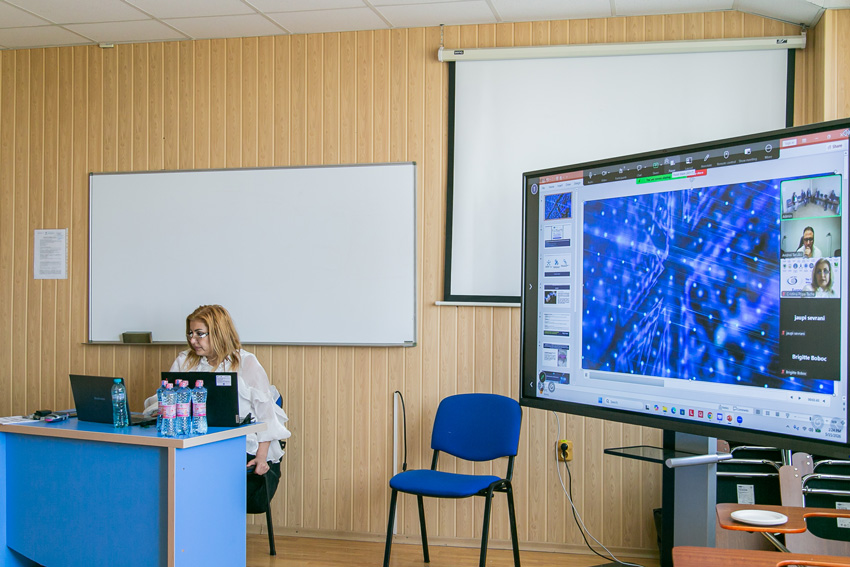
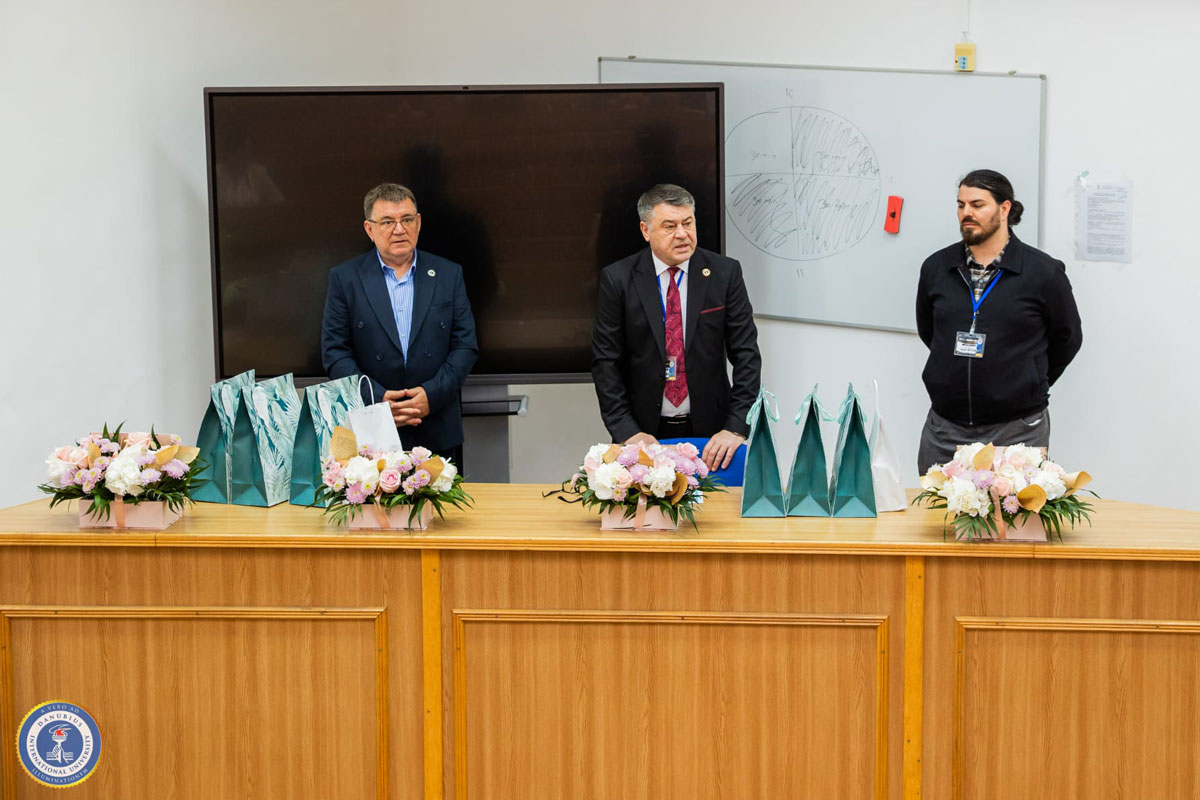
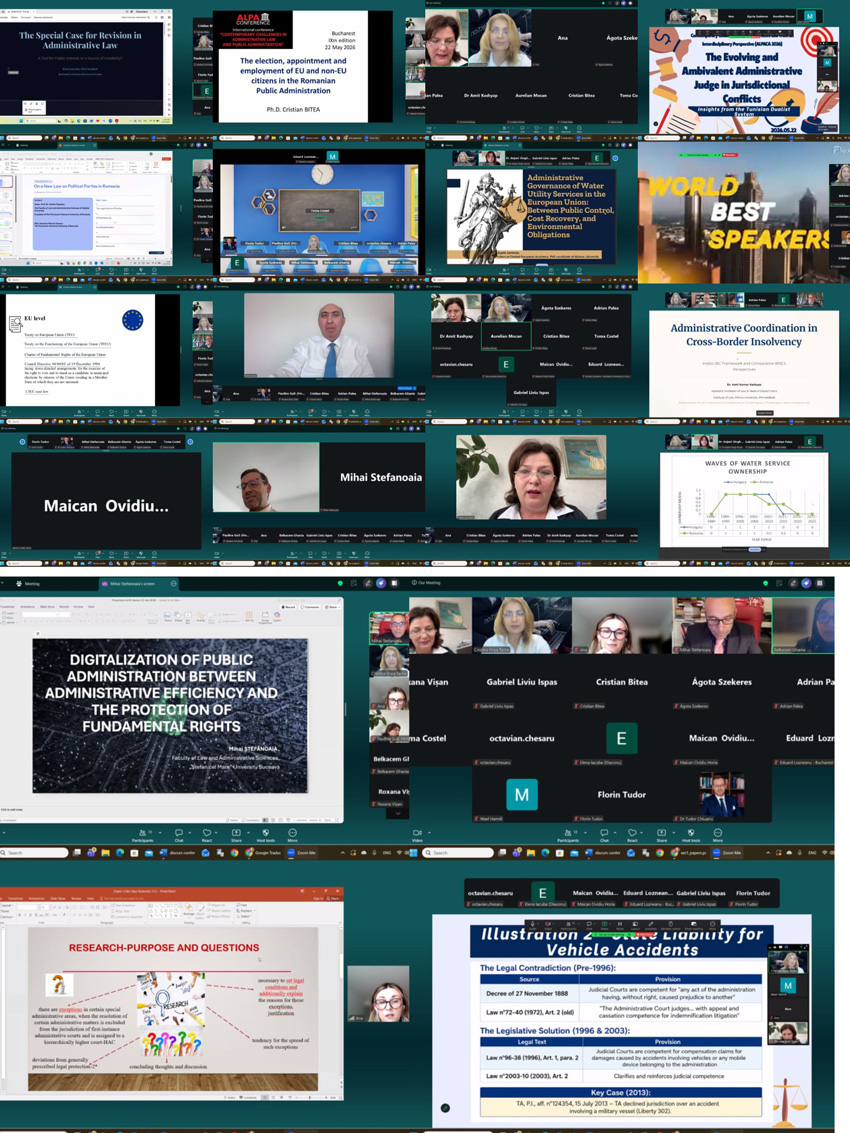
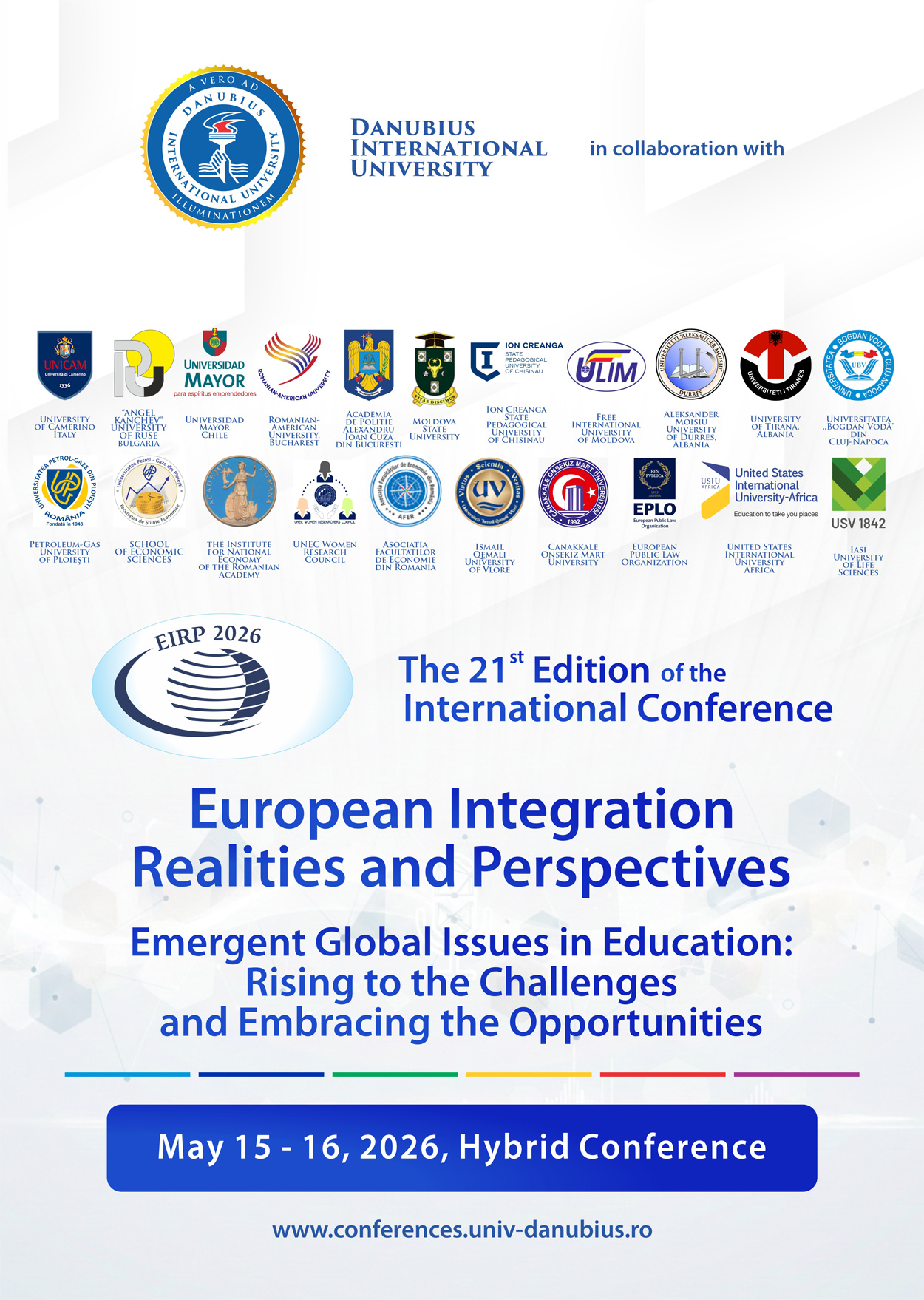
The EIRP 2026 International Conference represented a significant platform for interdisciplinary academic dialogue, bringing together researchers, academics, and specialists from the fields of law, economics, international relations, technology, and education. Within the panel dedicated to legal sciences, the debates highlighted the impact of digital transformation and artificial intelligence on contemporary legal practice, addressing topics such as legal liability for automated decisions, the protection of medical data in the digital era, and emerging perspectives regarding the rights of nature within European legislation. Furthermore, the issue of migration and the legal status of immigrants was examined through the lens of the economic and social implications generated by recent crises and Europe’s demographic decline. In parallel, the panel devoted to the European citizen and public administration emphasized the importance of public sector digitalization, administrative reform, and the use of artificial intelligence in decision-making processes, while also underlining the challenges related to social inclusion, labor market transformations, and the adaptation of public management to new European realities.

The economic and geopolitical dimensions of the conference were reflected in the contributions dedicated to sustainable development, economic security, and the transformations generated by emerging technologies. Presentations within the economic colloquium analyzed the integration of ESG criteria, the role of artificial intelligence in logistics and accounting, as well as the relationship between sustainable development, economic competitiveness, and the green transition. At the same time, the panels focused on international relations and emerging technologies addressed highly relevant topics such as European Union border security, the geopolitics of a multipolar world, contemporary diplomacy, and the impact of hybrid threats on regional security. Particular attention was devoted to the transformation of the 21st-century university and the digitalization of education, with discussions centered on academic micro-credentials, the use of artificial intelligence in teaching processes, and the ethical challenges associated with FinTech ecosystems and cybersecurity. Within the panels dedicated to psychology, culture, and education, participants explored the effects of misinformation and fake news, the relationship between technology and mental health, and the role of European culture and identity metaphors in shaping new educational and social models. Through the complexity of its themes and the international character of participation, EIRP 2026 reaffirmed the essential role of academic research in understanding and addressing the challenges of contemporary society.


Claudia Stefania Marghiru


Recent News

© 2026 Danubius International University. All Rights Reserved.