ROMÂNĂ
  ENGLISH VERSION




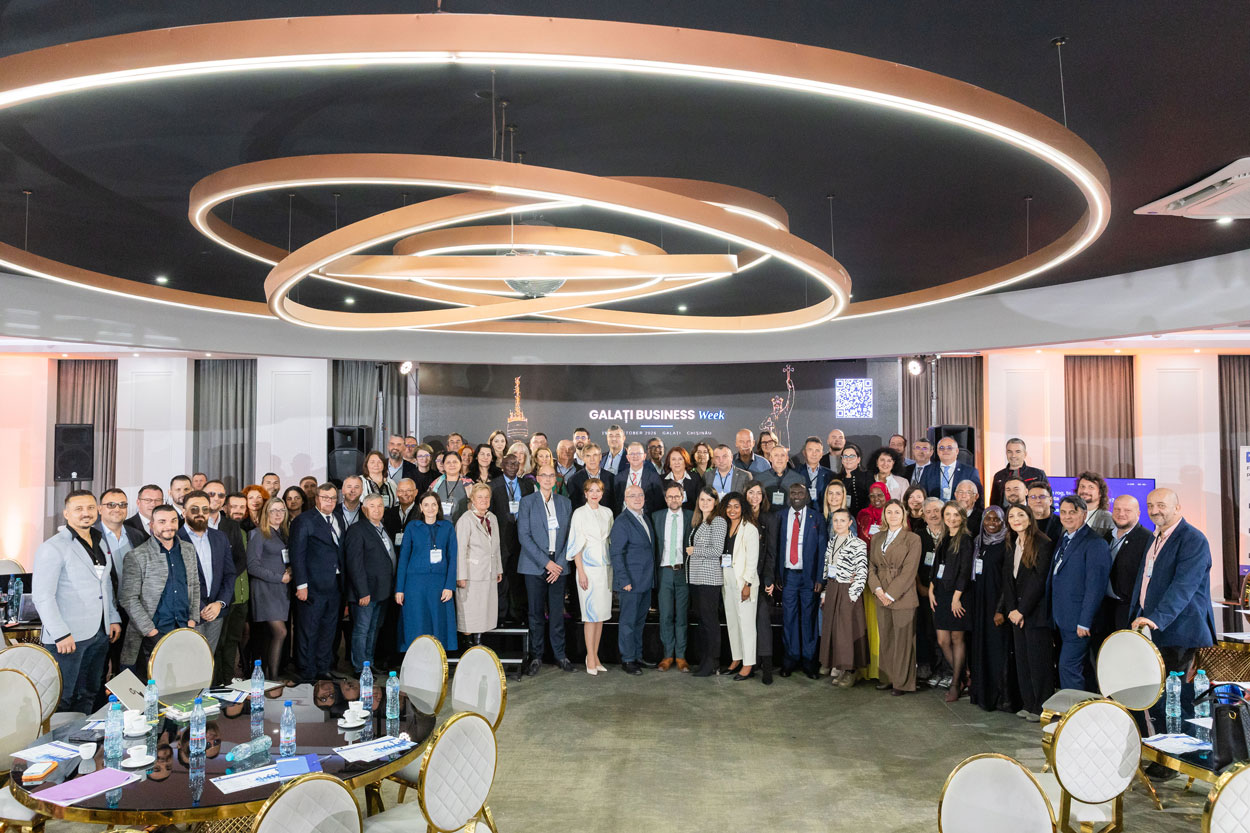
The EIRP 2026 International Conference represented a significant platform for interdisciplinary academic dialogue, bringing together researchers, academics, and specialists from the fields of law, economics, international relations, technology, and education. Within the panel dedicated to legal sciences, the debates highlighted the impact of digital transformation and artificial intelligence on contemporary legal practice, addressing topics such as legal liability for automated decisions, the protection of medical data in the digital era, and emerging perspectives regarding the rights of nature within European legislation. Furthermore, the issue of migration and the legal status of immigrants was examined through the lens of the economic and social implications generated by recent crises and Europe’s demographic decline. In parallel, the panel devoted to the European citizen and public administration emphasized the importance of public sector digitalization, administrative reform, and the use of artificial intelligence in decision-making processes, while also underlining the challenges related to social inclusion, labor market transformations, and the adaptation of public management to new European realities.
The economic and geopolitical dimensions of the conference were reflected in the contributions dedicated to sustainable development, economic security, and the transformations generated by emerging technologies. Presentations within the economic colloquium analyzed the integration of ESG criteria, the role of artificial intelligence in logistics and accounting, as well as the relationship between sustainable development, economic competitiveness, and the green transition. At the same time, the panels focused on international relations and emerging technologies addressed highly relevant topics such as European Union border security, the geopolitics of a multipolar world, contemporary diplomacy, and the impact of hybrid threats on regional security. Particular attention was devoted to the transformation of the 21st-century university and the digitalization of education, with discussions centered on academic micro-credentials, the use of artificial intelligence in teaching processes, and the ethical challenges associated with FinTech ecosystems and cybersecurity. Within the panels dedicated to psychology, culture, and education, participants explored the effects of misinformation and fake news, the relationship between technology and mental health, and the role of European culture and identity metaphors in shaping new educational and social models. Through the complexity of its themes and the international character of participation, EIRP 2026 reaffirmed the essential role of academic research in understanding and addressing the challenges of contemporary society.
Claudia Stefania Marghiru