ROMÂNĂ
  ENGLISH VERSION




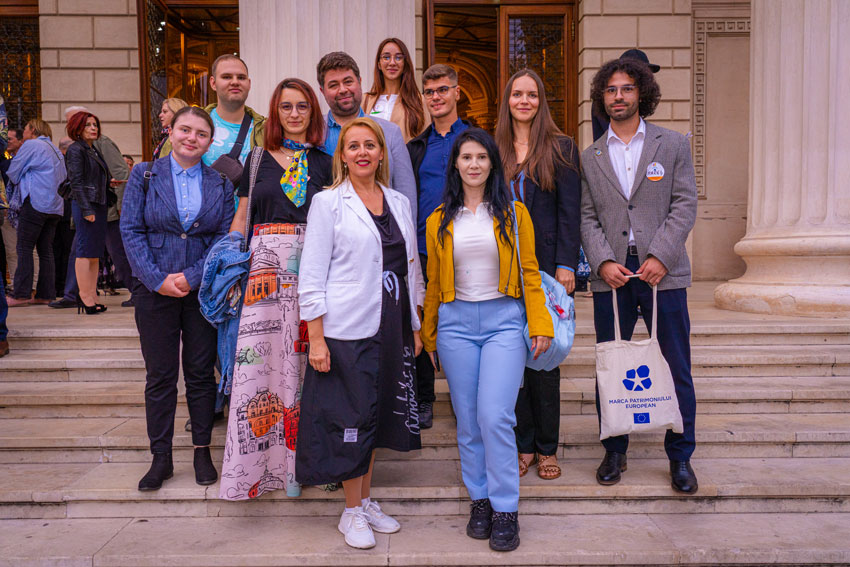
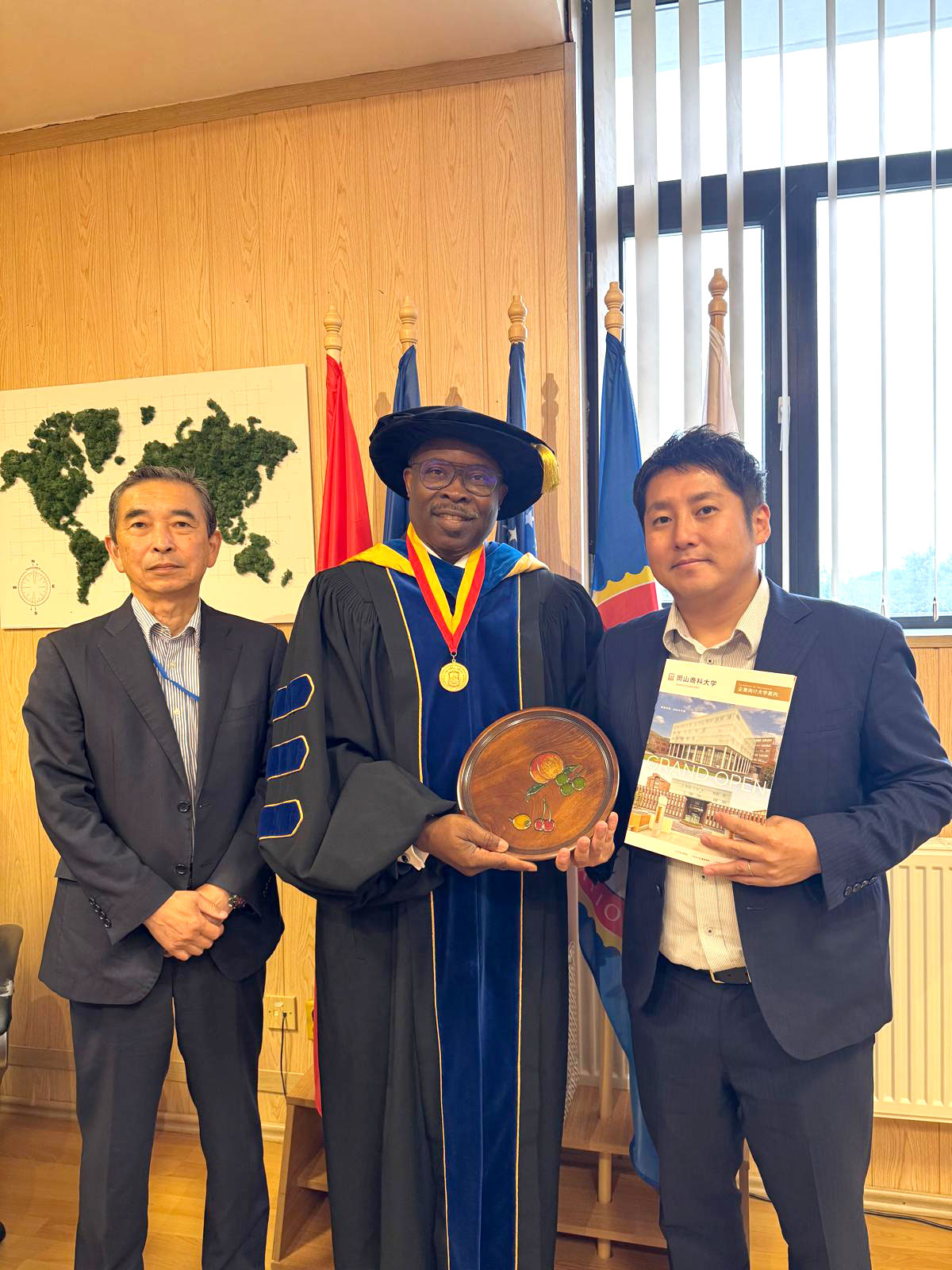
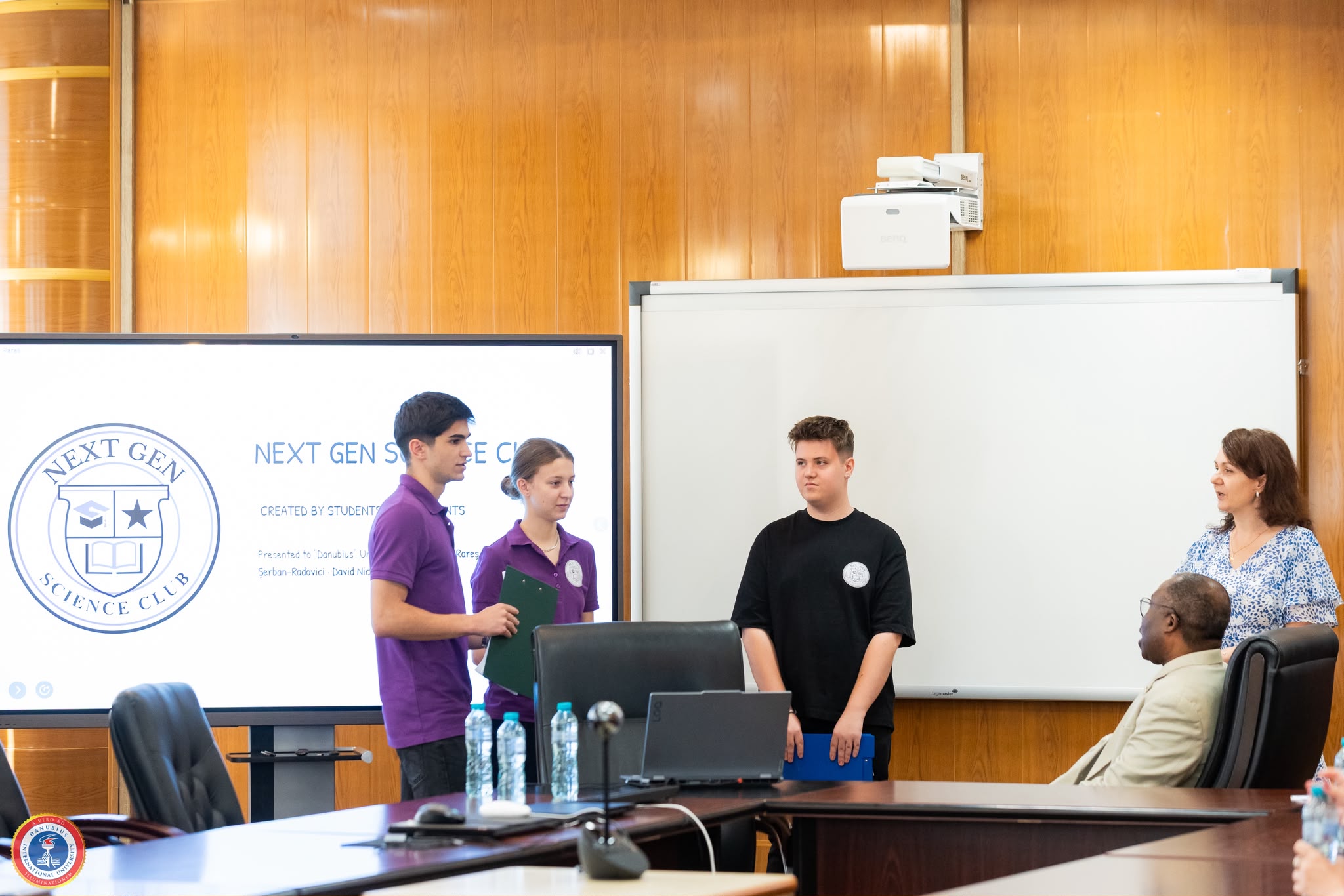
On June 10, the 6th edition of the Universities Conference took place: "Artificial intelligence in education - solution or problem?", organized by DC MEDIA, within the University of Agronomic Sciences and Veterinary Medicine in Bucharest. The event was a good opportunity for the Rector of Danubius International University, Dr. Steve O. Michael, to present the paper "Artificial Intelligence in Education: Solutions with Problems", which contains the latest information on the impact of AI in university education.
That artificial intelligence (AI) will impact teaching and learning is indisputable. This paper briefly summarizes the positive impact and the negative consequences of AI in education. Of greater interest are the possible neurodegenerative impacts of generative AI and the implications for formal education
The potential benefits and impacts of AI in education are still being debated. However, a few claims can be made. When asked, AI itself highlights a few of the benefits. Drawing on personal experience using AI to study Romanian, I can testify that it provides personalized learning, access to lessons regardless of time or place, faster feedback, adaptation to my progress, and accelerated learning. Education for the mass production of credentialed people for jobs, delivered in the most efficient manner possible Education for self-discovery in preparation for life and societal.
Increasingly, technology in education reduces the level of physical interactions between student and teacher. A large-scale implementation of AI in education is expected to further reduce human interactions, a trend that some fear will further complicate the growing challenges of mental health.
The more we advance in the use of technology in education, the more vulnerable our privacy becomes. Artificial intelligence further deepens this vulnerability. Some would say that it is naive to think that there is any privacy left in 2026, in the age of ubiquitous electronic information. With all of our personal data, health data and personal communications transmitted and stored digitally, and hackers becoming more sophisticated every day, the assumption of privacy is naive.
Some of the paper's conclusions speak to the benefits, but also the danger, of the increasing use of AI: “There is no doubt that AI is here to stay, and some will say that we are just at the beginning stages of its revolution. Based on what we know so far, it is reasonable to conclude that artificial intelligence is a solution, though it comes with myriad problems. With its ability to mimic human intelligence, AI is perhaps the most powerful invention of humankind to date. Individual educators’ predispositions toward AI adoption are shaped by assumptions about how students learn and the role of education. Those who favor faster, more efficient production are inclined to jump on the AI bandwagon, whereas those who view school as a nurturing place and teaching and learning as an intimate transaction and interaction between humans are likely to be wary of AI's potential impacts in education. The benefits being touted by AI experts include its ability to individualize and personalize learning, provide faster feedback, and solve complex problems. These benefits come at a cost. 15 Beyond the financial cost, the loss of privacy, the diminishing human interaction, and the impact on the environment compel a serious evaluation of the cost-benefit of AI. The most important impact that warrants collective attention is degenerative neuro-function, as mental and physical skills atrophy. As AI replaces mental effort, we must be concerned about cognitive offloading, social offloading, and nomophobia, to name a few.”
The paper can be downloaded here: https://univ-danubius.ro/AI-in-education
Oana Sacalov