ROMÂNĂ
  ENGLISH VERSION



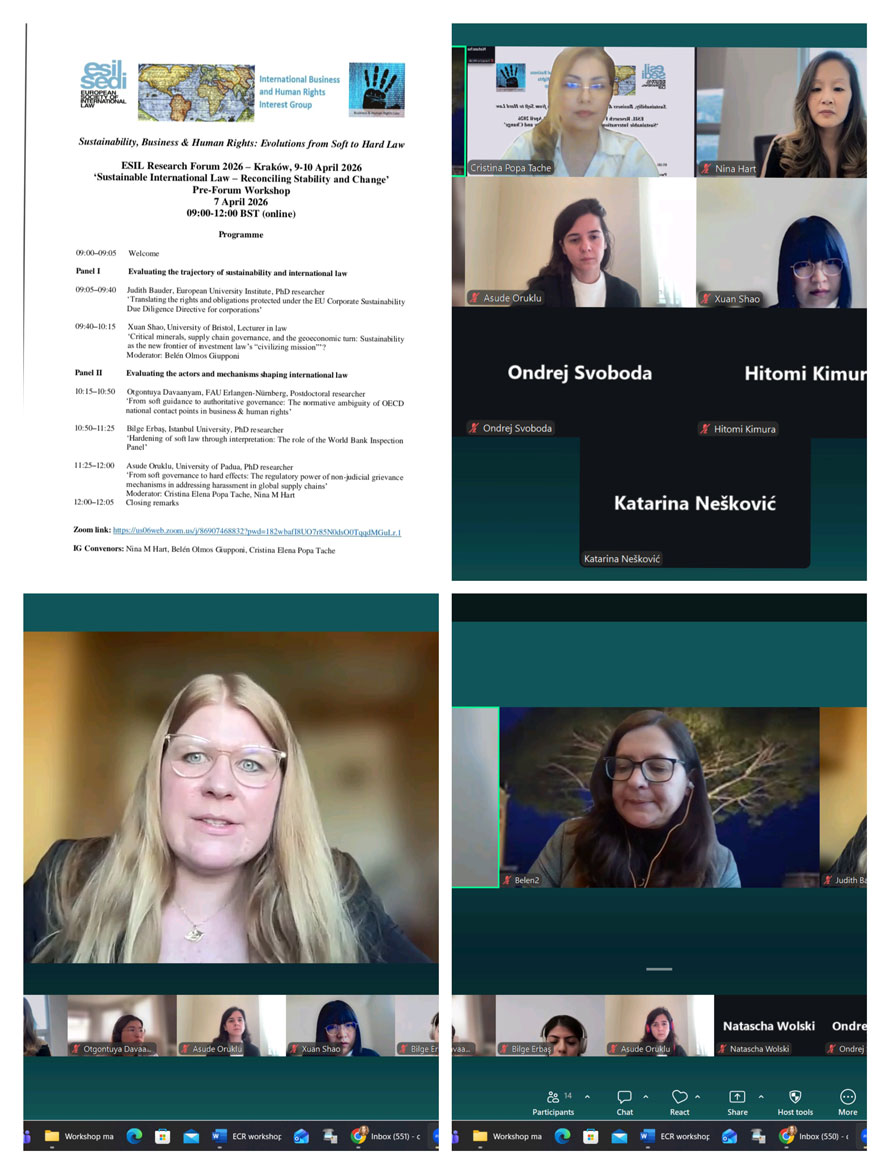
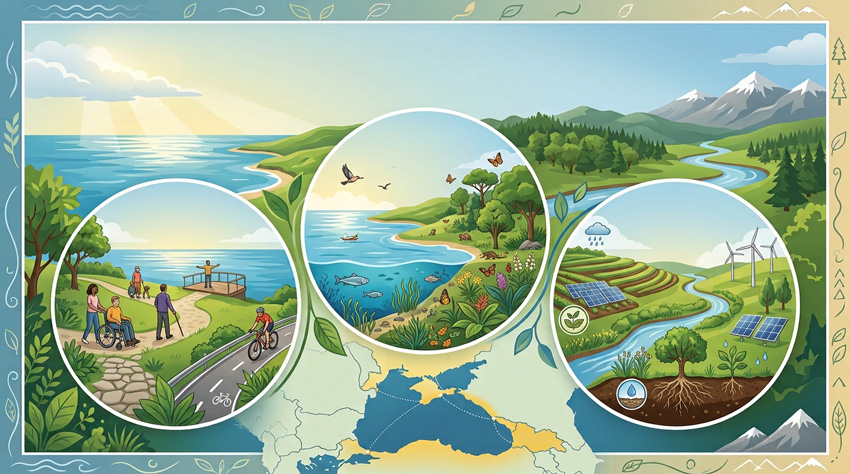
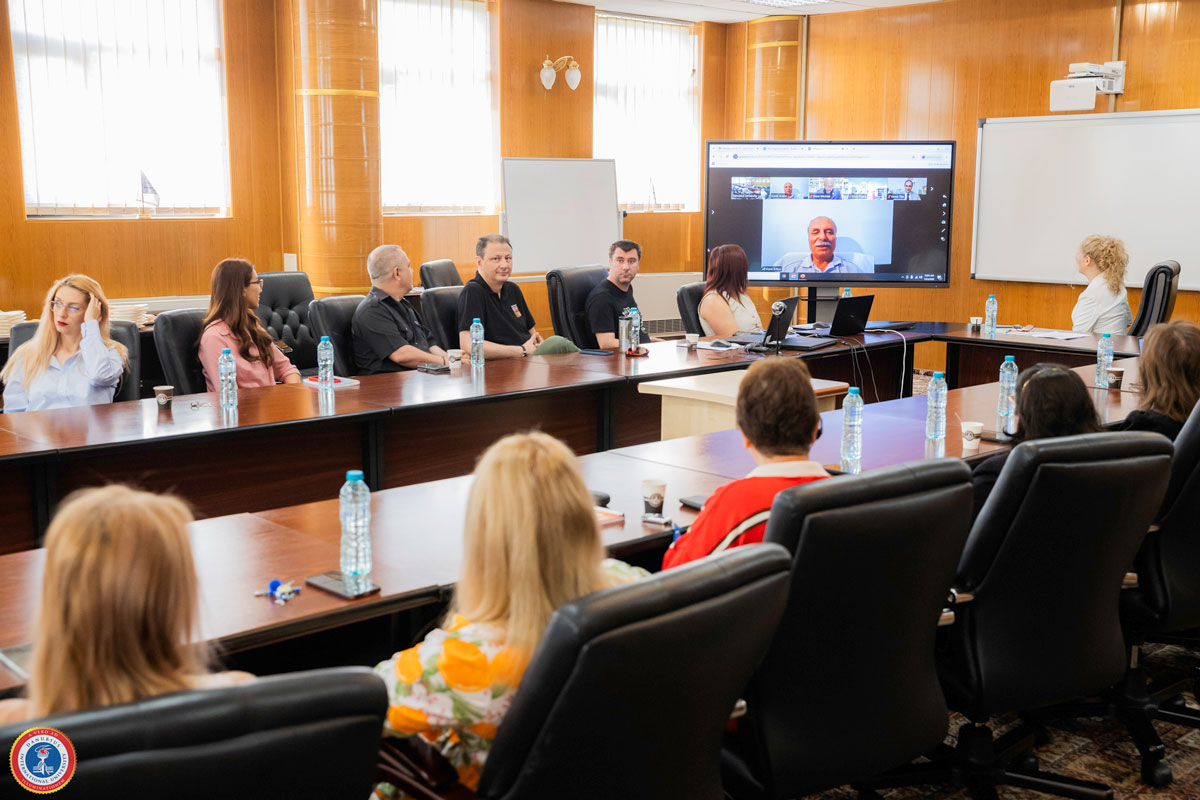
The workshop “Sustainability, Business & Human Rights: Evolutions from Soft to Hard Law”, organised as a Pre-Forum Workshop within the ESIL Research Forum 2026 – Kraków (“Sustainable International Law – Reconciling Stability and Change”), held on 7 April 2026 (09:00–12:00 BST, online), represented a high-level academic endeavour, characterised by a rigorous and forward-looking analysis of sustainability in international law, as well as of the actors and mechanisms shaping this evolution.
The Faculty of Law and International Governance was institutionally represented by Associate Professor Cristina Elena Popa Tache, Dean of the Faculty, who made a multifaceted contribution: co-organiser of the event, Co-Convenor of the ESIL Interest Group on International Business and Human Rights, and co-moderator of Panel II.
Panel I, moderated by Belén Olmos Giupponi, focused on the trajectory of sustainability in international law. Judith Bauder delivered a nuanced analysis of the EU Corporate Sustainability Due Diligence Directive, while Xuan Shao addressed the geoeconomic dimensions of critical minerals and supply chain governance.
Panel II, co-moderated by Nina M. Hart and Cristina Elena Popa Tache, further deepened the analysis of the actors and mechanisms influencing international law. The interventions delivered by Otgontuya Davaanyam, Bilge Erbaş and Asude Oruklu highlighted, in a scientific manner, the dynamics of soft law norms, the role of institutional interpretation, and the impact of non-judicial mechanisms in the regulation of global supply chains.
Overall, the workshop stood out for its high academic standard, interdisciplinary relevance, and its capacity to connect theoretical reflection with current normative challenges in the field of business and human rights.